Top Dive Locations

The mesmerizing world beneath the waves holds a treasure trove of wonders for avid divers and underwater enthusiasts. From vibrant coral reefs teeming with marine life to mysterious underwater caves, our planet boasts some of the most amazing dive locations. In this blog post, we’ll embark on a journey to explore the top dive destinations that promise an unforgettable underwater experience.

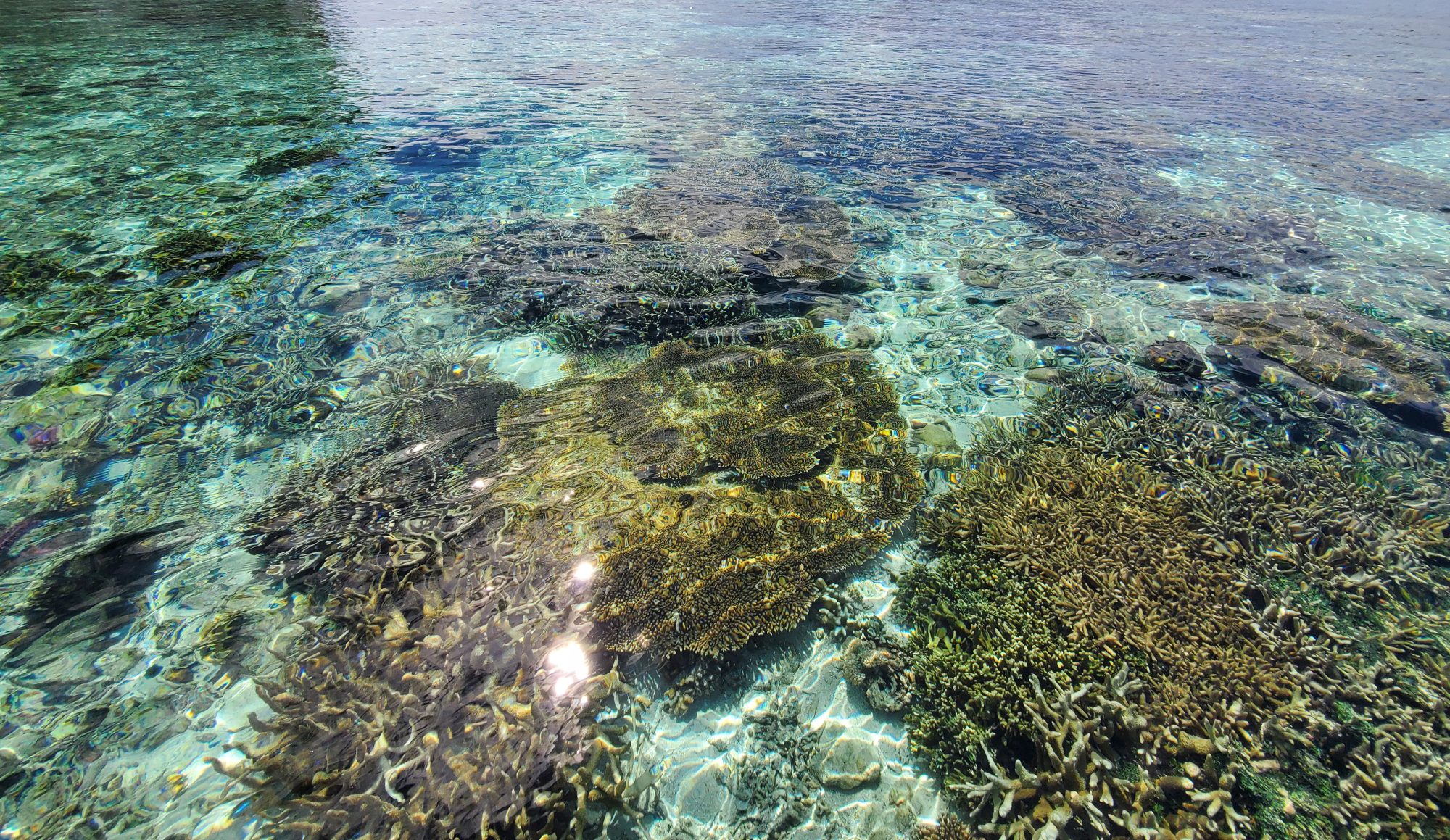
  1. Great Barrier Reef, Australia: Undoubtedly one of the most iconic dive locations on the planet, the Great Barrier Reef is a UNESCO World Heritage site and the largest coral reef system. Home to an incredible diversity of marine life, including colorful coral formations, sharks, turtles, and rays, this Australian wonder offers an unparalleled underwater spectacle.
  2. Blue Hole, Belize: A natural wonder off the coast of Belize, the Blue Hole is a massive sinkhole that descends to a depth of over 400 feet. Divers are drawn to its mystical allure, exploring underwater stalactites and encountering large marine species such as nurse sharks and groupers.
  3. Galápagos Islands, Ecuador: Famous for inspiring Charles Darwin’s theory of evolution, the Galápagos Islands are equally captivating beneath the waves. Divers can encounter unique marine species, including marine iguanas, sea lions, and schools of hammerhead sharks. The underwater landscapes are as diverse as the wildlife, offering lava tunnels, arches, and dramatic drop-offs.
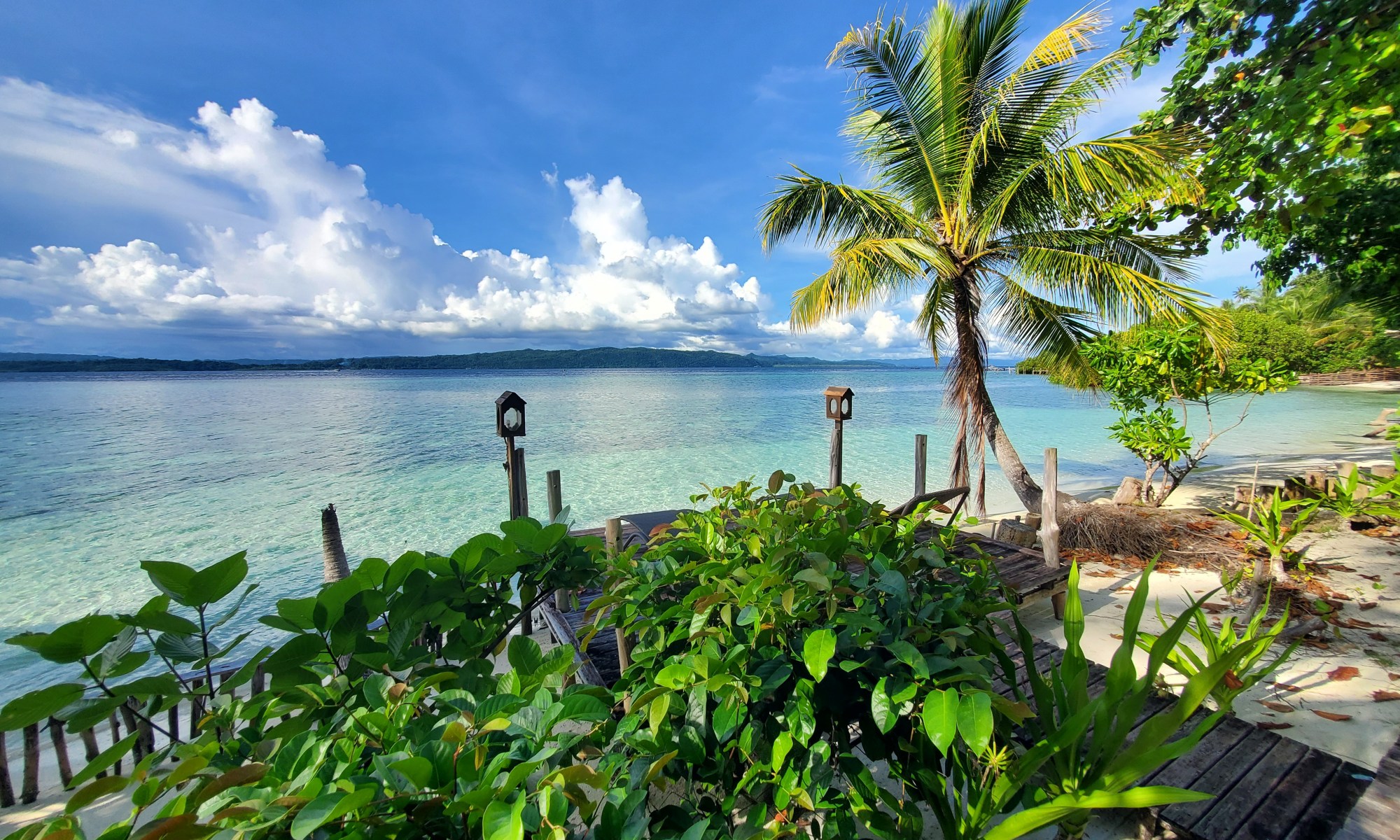
  4. Raja Ampat, Indonesia: Located in the heart of the Coral Triangle, Raja Ampat is a paradise for underwater enthusiasts. Known for its unparalleled biodiversity, divers can explore vibrant coral gardens, encounter pygmy seahorses, and witness the dance of the majestic manta rays.
  5. Red Sea, Egypt: The Red Sea is a haven for divers seeking crystal-clear waters and an abundance of marine life. Coral reefs, underwater canyons, and vibrant fish species make this location a top choice for both beginners and experienced divers. The famous Ras Mohammed National Park is a must-visit for its breathtaking underwater scenery.
  6. Palau, Micronesia: Palau, a remote archipelago in Micronesia, offers a unique underwater experience with its Jellyfish Lake, where millions of harmless jellyfish migrate across the lake. Beyond this surreal encounter, Palau’s dive sites feature pristine coral reefs, World War II wrecks, and diverse marine ecosystems.
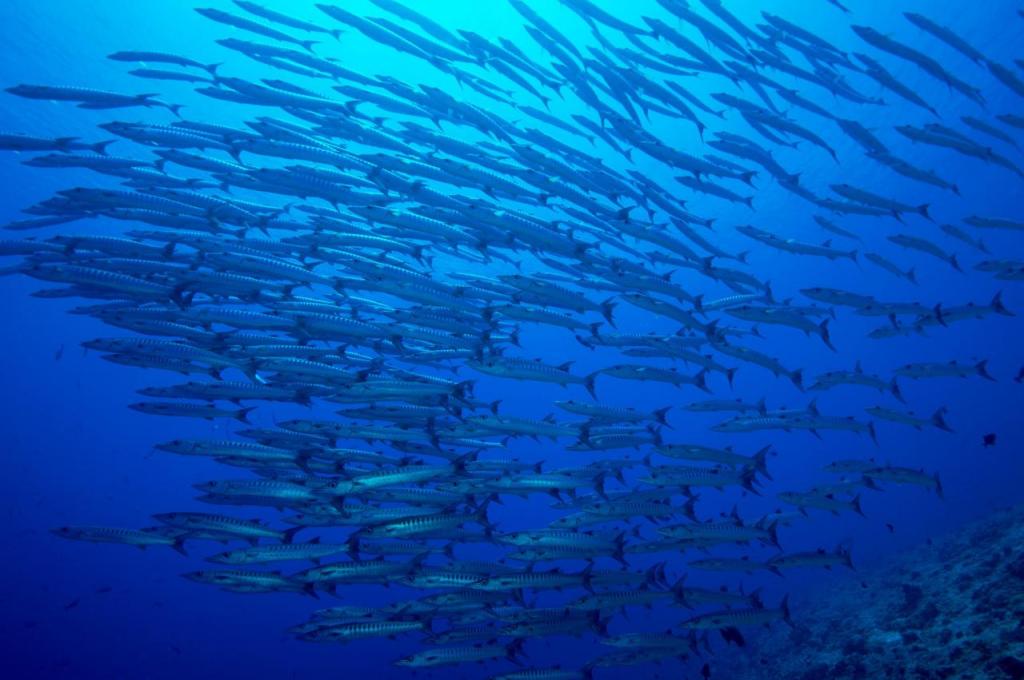
  7. Barracuda Point, Sipadan, Malaysia: Sipadan Island is renowned for its rich marine life and Barracuda Point is a standout dive site. Divers can witness swirling tornadoes of barracuda, encounter sea turtles, and marvel at the vibrant coral walls that drop into the abyss.

The world’s most amazing dive locations offer a kaleidoscope of underwater wonders, from the technicolor coral gardens of the Great Barrier Reef to the adrenaline-inducing drift dives of Barracuda Point. Whether you’re a seasoned diver or a beginner, exploring these remarkable destinations will undoubtedly leave you with a deep appreciation for the beauty and diversity of our planet’s oceans. So, gear up, take the plunge, and discover the magic that awaits beneath the surface. Happy diving!
Discovering the Best Seasons for Scuba Diving

As a scuba diver, you want to make sure that you get the most out of your underwater adventures. One factor to consider is the time of year you plan to dive. The good news is that scuba diving can be enjoyed year-round in many locations around the world. However, certain times of year may offer better conditions and more exciting experiences. So, what time of the year is it best to hop in the water? Let’s explore the different seasons and find out!

Springtime: Perfect for Clear Waters and New Life

Springtime is an excellent season for scuba diving, especially in tropical locations. This time of year often brings clear water conditions, which means great visibility for observing marine life. Many species also begin their mating season in the spring, which can lead to fascinating encounters with creatures like sharks, sea turtles, and octopuses.

Summer: Vibrant Coral Reefs and Warm Water

Summer is the most popular time for scuba diving in many parts of the world. Warm water temperatures make it comfortable to dive, and many tropical destinations boast vibrant coral reefs teeming with colorful fish and other creatures. This is also a great time to explore shipwrecks and artificial reefs.

Fall: Big Creatures and Fewer Crowds

Fall can be an excellent time for scuba diving, especially for those who love big creatures. This season often brings opportunities to encounter whale sharks, manta rays, and other large animals. Additionally, fewer tourists may mean less crowded dive sites, allowing for a more relaxed and enjoyable experience.

Winter: Unique Encounters and Cool Waters

Winter can be a fantastic time for scuba diving in certain locations, especially for those looking for unique encounters. This season can bring sightings of whale migrations, seals, and even ice diving in colder regions. Although the water may be cooler, proper gear can make for a comfortable and exciting dive.

The best time of year to scuba dive depends on your personal preferences and the location you plan to visit. Each season offers unique experiences and opportunities to observe marine life, explore shipwrecks, and encounter big creatures. So, don’t hesitate to dive in any time of year and discover the wonders of the underwater world!

History of Scuba

Scuba diving is a popular recreational activity enjoyed by millions of people around the world. But where did scuba diving come from? What is the history behind this exciting activity? In this article, we will explore the fascinating origins of scuba diving.

The word “scuba” stands for Self-Contained Underwater Breathing Apparatus, and refers to the equipment that allows divers to breathe underwater without being connected to the surface. The idea of scuba diving has been around for centuries, with early inventors and explorers attempting to create equipment that would allow them to explore the depths of the ocean.

One of the first recorded attempts at scuba diving was made by Alexander the Great in the 4th century BCE. According to legend, Alexander used a glass barrel to explore the depths of the Mediterranean Sea, but this primitive device did not allow him to stay underwater for long.

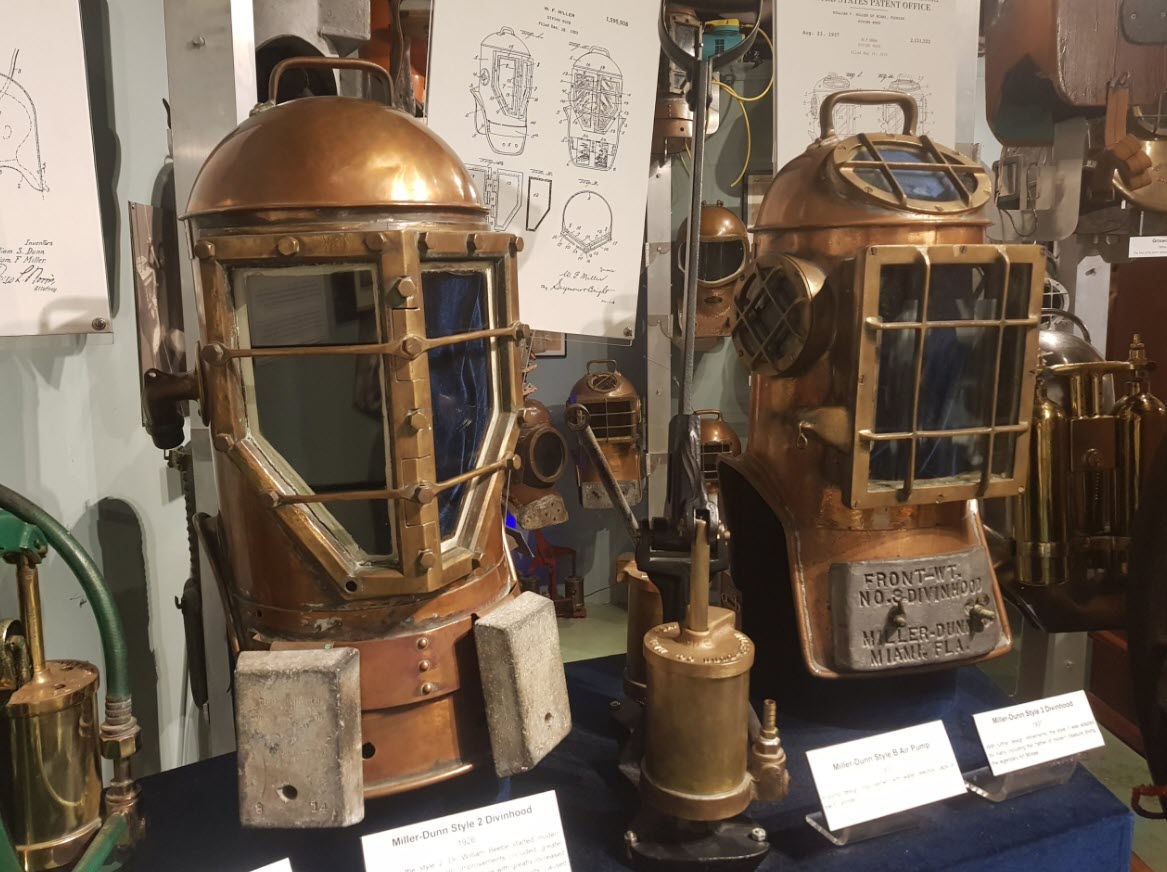
In the 16th century, Leonardo da Vinci designed a diving suit that included a breathing apparatus, but this design was never actually built. It wasn’t until the 18th century that the first successful attempts at underwater diving were made using a diving bell, which allowed divers to breathe air pumped down to them from the surface.

The first modern scuba diving equipment was developed in the early 20th century by French naval officer Jacques Cousteau and engineer Emile Gagnan. They created the Aqua-Lung, a device that allowed divers to carry their own supply of compressed air underwater, and went on to explore and document the underwater world in their famous documentary series, “The Undersea World of Jacques Cousteau.”

Over the years, scuba diving has evolved and become more accessible to the general public. Modern scuba diving equipment is lightweight, durable, and designed to provide maximum safety and comfort for divers of all skill levels. Today, scuba diving is enjoyed by people all over the world, from casual weekend divers to professional marine biologists and underwater photographers.

The history of scuba diving is a rich and fascinating one, filled with innovation, experimentation, and adventure. Thanks to the hard work and dedication of early pioneers like Cousteau and Gagnan, scuba diving has become a safe and exciting way for people to explore the incredible world that lies beneath the waves.

Dive into the Deep: A Beginner’s Guide to Scuba Diving

Now that you’re convinced, let’s get you started on this amazing journey to this water world! But where do you begin? How do you get started? In this post, we’ll explore the steps to take to become a certified scuba diver and get you ready to explore the underwater world.

  1. Do your research – Before you start scuba diving, it’s essential to do your research. Learn about the different types of certification, dive centers, and equipment available. You can browse online or ask for recommendations from friends who are experienced divers.
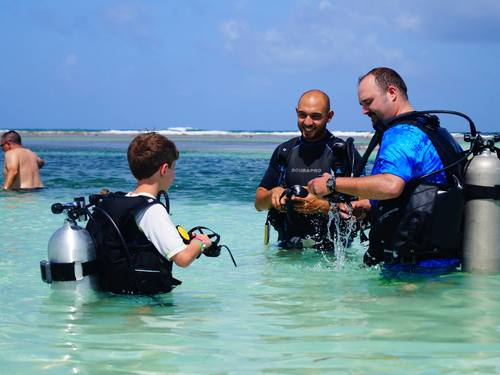
  2. Get certified – To scuba dive, you need to be certified. There are different levels of certification, ranging from beginner to advanced, and you’ll need to complete a course that includes classroom sessions, pool training, and open water dives. You can take a certification course at a local dive center, through a resort or on a liveaboard.
  3. Buy or rent equipment – Once you have your certification, you’ll need to buy or rent equipment. Basic equipment includes a mask, fins, regulator, and buoyancy control device (BCD). It’s essential to have equipment that fits well and is comfortable to use, so take the time to try different models and brands.
  4. Choose your dive location – When you’re ready to dive, choose a location that suits your experience level. Look for a place with clear water, mild currents, and a diverse marine life. You can ask for recommendations from your dive center or consult online resources to find the best dive sites.
  5. Dive with a buddy – Never dive alone, always dive with a buddy. You and your buddy will check each other’s equipment, communicate underwater, and help each other in case of emergency. It’s important to follow safe diving practices to ensure an enjoyable and safe experience.

Scuba diving is a thrilling and rewarding activity that opens up a whole new world of underwater adventure. By doing your research, getting certified, and taking the necessary precautions, you can enjoy this amazing hobby safely and confidently. So, put on your wet suit, strap on your fins, and dive into the deep – the underwater world is waiting for you!

To Dive or Not to Dive

The Depths of Delight – Why You Should Learn How to Scuba Dive

If you’re looking for a new adventure, consider diving into the depths of the ocean and discovering a whole new world! Scuba diving is an activity that offers not only excitement but also relaxation, exercise, and the chance to make friends with some of the most fascinating creatures on the planet. In this post, we’ll explore the reasons why you should learn how to scuba dive and uncover the hidden treasures of the underwater world.

  1. It’s a breath of fresh air (underwater)
    If you’re tired of the same old gym routine, scuba diving provides a refreshing alternative. You’ll get a full-body workout while being suspended in a weightless environment. Plus, the sound of your breath coming through the regulator is like meditation with bubbles!
  2. Meet new marine friends
    There are over 230,000 known species in the ocean, and you never know who you’ll meet on your dive. From sea turtles to stingrays, octopuses to eels, the ocean is full of fascinating creatures that will leave you in awe. It’s like attending a meeting of the animal kingdom’s coolest club.
  3. Uncover lost treasures
    Underwater, you’ll discover a world of shipwrecks, sunken planes, and other underwater treasures. You’ll be like Indiana Jones with fins, searching for lost artifacts and relics of the past.
  4. Overcome your fears
    Learning to scuba dive can be intimidating, but it’s an excellent way to overcome your fears. Once you learn the basic skills, you’ll gain confidence and be ready to take on new challenges. It’s like being a superhero with a wet suit!
  5. See the world from a new perspective
    Diving provides a unique perspective on the world. You’ll be able to experience the beauty and diversity of marine life and ecosystems while contributing to their conservation. It’s like being an ambassador for Mother Nature!

Scuba diving is a fantastic activity that offers adventure, exercise, and new perspectives. It’s like going on an exotic vacation, but without leaving the planet. So, go ahead and take the plunge – learn how to scuba dive, and discover the depths of delight that await you!